Author name: webmaster

Word from the President

Let’s make money in 2025

Revolutionary greetings, my Cdes. Our people remain the poorest in their own country even 3 decades into what they call freedom. The digital economy is opening new doors and a chance for economic emancipation. We as PBICT are the motive force of this sector in South Africa. It is our duty to use this God’s window to drive transformation with a view of changing the material conditions of those we call our people. This is a revolution that drives radical economic transformation. We are not apologetic for what we stand for. Until our people are free from poverty, included in the economy, and are leading in STEAMIE, we can not rest nor sleep. 2024, like every other year, brought it challenges, we got knocked out, but we stood up on our feet and saw our battered body until this bell that would ring announcing the end of round 2024 . As we prepare for round 2025, we do so with the revolutionary spirit of our forefathers and our Cdes that are no longer with us. Our fallen heroes and their work are not in vein. We continue to carry the light forward and advance towards the battlefield once more. Now is the time to deliver. Now is the time to show what black excellence is. Now is the time to unite our people so that we can grab a bigger chunk of what is presented to us in 2025. Now is the time to put all excuses aside and work. Cdes, I can not say this any better. Let’s make money in 2025. ✊🏽✊🏽✊🏽 Let’s archive 2024, reset our systems, and start 2025 with a bang. President PBICT Cde LD Rolls #MoneyMaker2025 #WeArePBICT #Access&Ownership #Internet4All #4IRSTEAMIE

STEAMIE BLOG

Empowering Women, Enhancing Tech: Breaking Barriers in South Africa’s ICT Sector

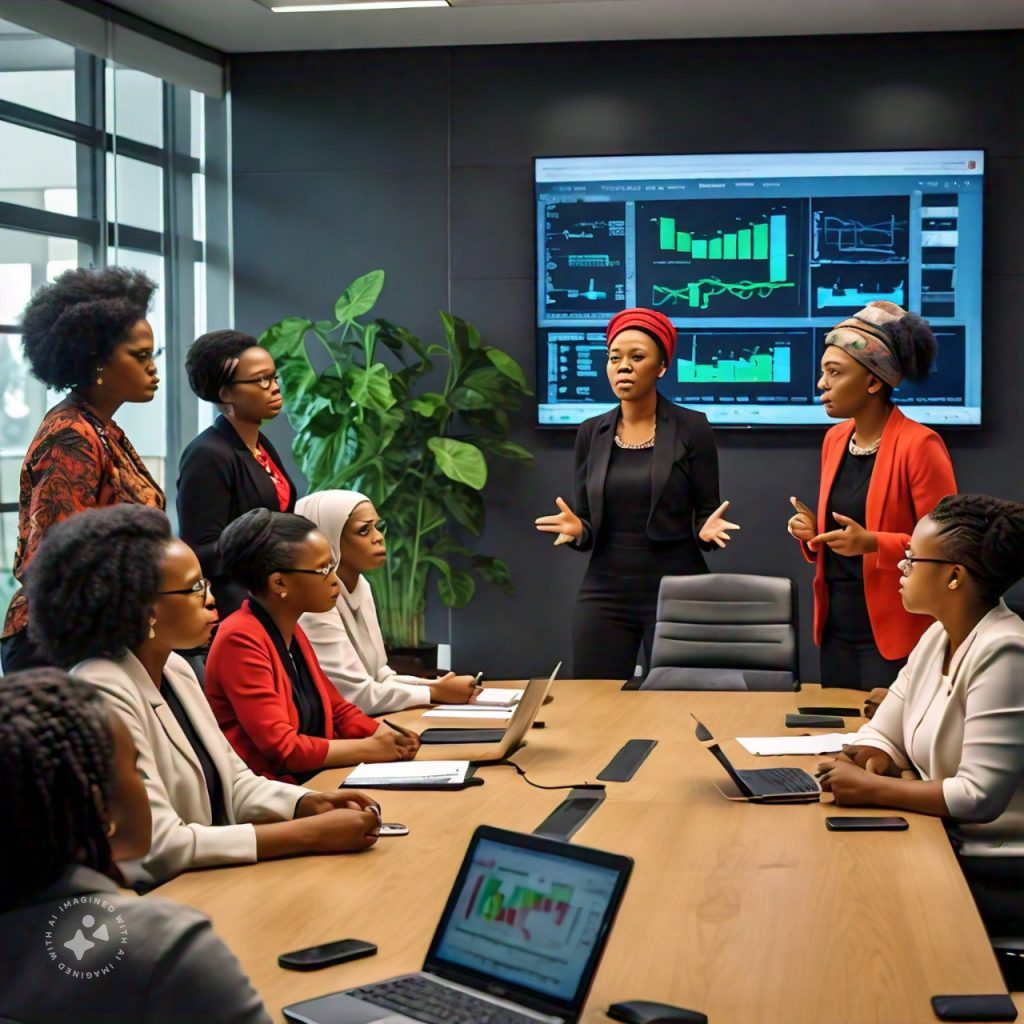
South Africa has come a long way from defining work roles according to gender. Though women have made strides in occupying space in the technology industry, the numbers are nowhere near that of men. Women still face the same barriers today as they did thirty years ago, the top three being bias, harassment and discrimination. The systemic stereotypes continue to perpetuate the bias against women’s ability to contribute meaningfully in the sector, resulting in a lack of digital-confidence in women. Companies that realize the untapped potential of women have put measures in place such as mentorship programmes, training and networking opportunities that will result in a competent workforce that is able to tackle the challenges and opportunities presented by the growing technological sector. PBICT is one of the organisations that are confronting this challenge head-on, by having women representation in the executive, appointing women mobilisers in all the provinces where the organisation has a presence, and including women in work/tender opportunities in the sector. There are also programmes that will be rolled out in the different provinces which are designed to excite women and children about ICT, so they can participate in the sector for their benefit and the greater good of their communities. Never underestimate what we can do together. Pindiwe Ntuli, Woman STEAMIE Mobiliser, NEC Member   Not a member yet, click to join today  Register

STEAMIE BLOG

The Potential of Black-Owned ICT SMMEs

In South Africa, Small, Medium, and Micro Enterprises (SMMEs) contribute significantly to employment, with ICT SMMEs playing a crucial role. ICT SMMEs account for approximately 54% of formal private sector employment1. This is a substantial contribution, highlighting the importance of the ICT sector within the broader SMME landscape. These SMME’s has the potential to make their mark on the global IT market, with black-owned SMMEs at the forefront. These enterprises will not only drive economic growth but also fostering innovation and inclusivity within the Information and Communication Technology (ICT) sector. Black-owned ICT SMMEs in South Africa are uniquely positioned to leverage the country’s diverse talent pool and rich cultural heritage. They bring fresh perspectives and innovative solutions to the global IT landscape. These businesses should be thriving in various tech industries, including connectivity infrastructure, software development, cybersecurity, fintech, AI, Cloud, and digital services. Connectivity infrastructure is a critical area where PBICT SMMEs are making significant strides. By developing and maintaining Tier 1 and Tier 2 networks, these enterprises are enhancing internet accessibility and reliability, which is crucial for supporting other tech industries and far reaching communities often neglected or massively over charged for data by the majour players. This infrastructure development not only benefits local markets and communities but also positions South Africa as a key player in the global IT ecosystem. Market Size: The South African ICT market is estimated to be worth USD 36.81 billion in 2024, with projections to reach USD 53.85 billion by 20291. Black-owned SMMEs cause for lack of participation in profiting and their contribution to this growth of market remains to be a majour concern to the PBICT and one of the primary drivers that activated the existence of the PBICT and its birth slogan “ACCESS AND OWNERSHIP”. The South African market can provide a robust and critical foundation for these SMMEs, given a supportive and corrective government policies and a strong political will. However, access to broader African markets presents even greater opportunities. The African Continental Free Trade Area (AfCFTA) facilitates easier cross-border trade, allowing South African SMMEs to tap into a larger customer base and collaborate with other African tech hubs. In conclusion, we at the PBICT strongly believes that the potential of South African black-owned SMMEs in the global IT market is immense. With continued unapologetic and progressive localised support lead by our South African Government, investment, and access to market for these enterprises can lead the way in innovation and inclusivity, making a significant impact on both the South African and broader African markets. Victor Bergman, SMME STEAMIE Mobilizer, NEC Member Not a member yet, click to join today  Register

Word from the President

Special NGC

Greetings Cdes Pursuit to the NEC meeting held on 8 September 2024 to plan for the upcoming Special NGC/ midterm review, the following issues are hereby clarified. 1. The Special NGC is convened in accordance with the Constitution. 2. The main focus of the conference is to realign our programme’s and organization in line with the developments in the government and the ICT sector. 3. We also need to look at the functionality and state of the organization by reviewing our performance at the National level and Provinces. 4. The processes from planning and up to now have been followed in terms of the Constitution. 5. The Special NGC is assigned powers by the Constitution and will have all rights reserved accordingly. We hope the above is in order and look forward to outcomes of the Special NGC that will take us to the future. Thank you Office of the President

Word from the President

GNU Impact in ICT for Black People.

Dear Mr Moyo It is time once again for us to make our voice heard as the Sector on the negotiations that are taking placing. We cannot allow such critical decisions to be made without us. As the PBICT we are making our stand and requesting that the negotiators consider the views of the industry when making decisions. The telecommunications sector in South Africa faces several significant challenges, including foreign dominance, racial disparities, and a lack of support for Black small, medium, and micro enterprises (SMMEs). The Progressive Blacks in ICT, with over 8,000 active members, has been closely monitoring the sector, especially following the 2024 elections and the formation of the Government of National Unity (GNU). Key points of concern and advocacy include: 1. Foreign Dominance: The sector is heavily influenced by foreign companies due to the higher importation of technology compared to exports. This limits the growth and development of local enterprises. 2. Racial and Corporate Dominance: The industry is predominantly controlled by white individuals and large corporations, further marginalizing Black SMMEs. 3. Government Initiatives: Projects like SA Connect, championed by the Department of Communications and Digital Technologies (DCDT), have been instrumental in advancing the inclusion of Black individuals in the ICT sector. However, entities like the State Information Technology Agency (SITA) pose challenges by hindering progressive development. 4. Supportive Entities: Organizations like Broadband Infraco (BBI) and Sentech are more open to fostering an environment where Black SMMEs can thrive. 5. Political Concerns: The Progressive Blacks in ICT express concerns over the Democratic Alliance (DA) potentially controlling the telecommunications and communications departments. The DA’s stance on progressive development is seen as a threat to the inclusive future the organization advocates for. 6. Advocacy for ANC Control: The organization appeals to the African National Congress (ANC) to retain control of the DCDT to ensure an inclusive future shaped by the Fourth Industrial Revolution (4IR) and other emerging technologies. They believe that the ANC’s leadership in this department is crucial for securing a future that benefits all South Africans, not just a privileged few. The Progressive Blacks in ICT emphasizes the importance of reform and inclusive growth in the telecommunications sector, urging the ANC to maintain its influence to ensure equitable development and opportunities for all South Africans. Thank you Leon Rolls | President | PBICT

Word from the President

The future of ICT Post Elections

“As we look to the future of ICT in South Africa, I’m excited to see the potential for growth and transformation. As the President of PBICT, I believe it’s crucial that we prioritize inclusivity and equity in the development of our digital landscape. We must ensure that black people are empowered to participate fully in the ICT sector, from skills development to leadership positions. This requires intentional policies and initiatives that address the historical inequalities and systemic barriers that have hindered their progress. We need to invest in digital infrastructure, promote digital entrepreneurship, and enhance e-government services to create a more inclusive digital economy. We must also focus on digital inclusion, local content, and digital creativity to showcase the rich cultural heritage of our nation. As we move forward, I urge our members, stakeholders, and the government to prioritize the following: Access to quality education and digital skills training for black people Funding and support for black-owned digital businesses Representation and leadership opportunities for black people in the ICT sector Targeted programs to address the digital divide Cultural sensitivity and inclusivity in ICT development and deployment Together, we can create a thriving ICT sector that benefits all South Africans, regardless of race or background. Let’s work towards a future where everyone has the opportunity to participate and thrive in the digital economy.”

Word from the President

Preparing for SA Connect

I am excited to share my thoughts on how Black Small, Medium, and Micro Enterprises (SMMEs) can best position themselves for success in the SA Connect program. SA Connect, the South African government’s bold initiative to roll out broadband infrastructure nationwide, presents a significant opportunity for Black SMMEs to participate in the country’s digital transformation. However, these businesses must be adequately prepared and empowered to reap the benefits. Here are some strategic steps Black SMMEs can take to position themselves for success in SA Connect: Develop a digital skills strategy: Invest in upskilling and reskilling your workforce to meet the digital economy’s demands. This includes training in software development, data analytics, and cybersecurity. Build strategic partnerships: Collaborate with other Black SMMEs, larger enterprises, and industry stakeholders to share resources, expertise, and risk. This will enhance your capabilities and competitiveness. Focus on innovation: Develop innovative solutions and services that address specific needs in the SA Connect ecosystem. This could include IoT, AI, or other emerging technologies. Ensure compliance and certification: Obtain necessary certifications and comply with relevant regulations to participate in government programs and tenders. Develop a robust online presence: Establish a professional digital footprint, including a website and social media, to showcase your offerings and connect with potential clients. Engage with industry associations: Join organizations like PBICT to stay informed about industry developments, best practices, and networking opportunities. Access funding and support: Explore government initiatives, grants, and private sector funding opportunities to support your growth and participation in SA Connect. Prioritize cybersecurity: Invest in robust cybersecurity measures to protect your business and clients from the growing threat of cyberattacks. By implementing these strategies, Black SMMEs can position themselves for success in the SA Connect program, contributing to the growth of South Africa’s digital economy and creating a more inclusive and equitable ICT sector. Let’s work together to empower Black SMMEs and unlock the full potential of SA Connect!

Word from the President

Meta Unleashes AI Assistant: What Does This Mean for Black ICT SMMEs?

In a move that’s set to revolutionize the social media landscape, Meta has rolled out its AI assistant across all its platforms, including Facebook, Instagram, WhatsApp, and Messenger. This development has far-reaching implications for Black ICT SMMEs (Small, Medium, and Micro Enterprises) in South Africa and beyond. The AI assistant, powered by the latest image models from Meta AI and enabled by the Llama 3 update, offers a range of features that will change the way we interact with social media. From real-time information retrieval to content creation, image manipulation, and integration with search engines for current data access, this AI assistant is poised to make a significant impact. But what does this mean for Black ICT SMMEs? As we celebrate this innovation, we must also consider the potential implications for our sector. Will this AI assistant create new opportunities for Black ICT SMMEs, or will it further entrench existing inequalities? Some potential benefits include: Access to cutting-edge technology: Black ICT SMMEs can leverage this AI assistant to enhance their services and stay competitive in the market. Increased efficiency: Automation and AI-powered tools can streamline processes, freeing up resources for more strategic activities. New business opportunities: The AI assistant’s capabilities may create new revenue streams for Black ICT SMMEs, such as content creation, data analysis, and digital marketing services. However, we must also consider the potential challenges: Job displacement: Automation may displace certain jobs, particularly those that involve repetitive tasks or data processing. Dependence on Meta’s ecosystem: Black ICT SMMEs may become reliant on Meta’s platforms and tools, potentially limiting their autonomy and flexibility. Exacerbating existing inequalities: If not managed carefully, this AI assistant may widen the gap between larger, more established companies and smaller, Black-owned businesses. As we move forward, it’s crucial that we prioritize inclusivity and equity in the development and deployment of this AI assistant. We must ensure that Black ICT SMMEs have access to the necessary resources, training, and support to thrive in this new landscape.

Word from the President

South Africa Key to Continent’s ICT Development:

South Africa has been urged to take a more prominent role in international ICT diplomacy to shape global policies and standards that align with the country’s and continent’s interests. This call was made by John Omo, secretary-general of the African Telecommunications Union (ATU), during a virtual address at the Department of Communications and Digital Technologies’ celebration of 30 years of collaboration and growth in the ICT industry. Omo emphasized that South Africa has been a key player in the ICT sector, not only in Africa but also globally, and has made significant contributions to international ICT forums. However, he stressed that the country needs to scale up its efforts to ensure that its voice is heard and its interests are represented in global ICT diplomacy. “The world is increasingly becoming digital, and ICTs are at the heart of this transformation,” Omo said. “As a major player in the global ICT landscape, South Africa has a critical role to play in shaping the future of ICTs and ensuring that they are harnessed for the benefit of all.” Omo highlighted the importance of international cooperation and collaboration in addressing global ICT challenges, such as cybersecurity threats, data privacy, and the digital divide. He emphasized that South Africa’s experience and expertise in ICT development make it an ideal candidate to take on a more prominent role in international ICT diplomacy. “South Africa has a wealth of knowledge and expertise in ICT development, and it is essential that this expertise is shared with other countries, particularly in Africa,” Omo said. “By taking a more active role in international ICT diplomacy, South Africa can help shape global ICT policies and standards that are inclusive, equitable, and sustainable.” Omo’s call for South Africa to scale up its role in international ICT diplomacy was echoed by other speakers at the event, who emphasized the need for the country to take a more proactive approach to global ICT governance. They highlighted the importance of collaboration and cooperation among governments, industry players, and civil society organizations to ensure that ICTs are harnessed for the benefit of all. The event was held to celebrate 30 years of collaboration and growth in the ICT industry in South Africa and to reflect on the sector’s achievements and challenges. It brought together industry players, policymakers, and other stakeholders to discuss the future of ICTs in South Africa and the continent.

Word from the President

30 years of ICT Revolution

“Viva, comrades! Today, we’re celebrating 30 years of incredible growth and collaboration in South Africa’s ICT industry. From humble beginnings to a thriving sector worth R320 billion, we’ve come a long way! We’ve seen mobile subscriptions soar, internet access increase, and innovative projects like SA Connect and digital migration. However, we still face challenges like the need for more agile policies, inclusion of SMMEs, and cheaper data costs. We must work together to address these issues and ensure no one is left behind in our digital transformation journey. The future holds immense promise, and with collaboration and flexible policies, we can build a vibrant and inclusive digital economy that benefits all. Let’s continue working together to drive growth and empowerment in our sector!”

Home
Join
About
Ideology
Scroll to Top
Enable Notifications OK No thanks